
sandblasted glass manufacturers
The Importance of 1 Track Tie Downs in Railway Safety In the intricate and complex world of railway engineering, safety is paramount, and one seemingly small yet critical component that plays a significant role in this is the 1 track tie down. These humble fixtures, often overlooked, are the unsung heroes ensuring the stability and integrity of the rail network. Track ties, also known as sleepers, are the foundational elements that hold the rails in place, providing a solid base for the train wheels to run on. The term '1 ' in this context refers to the standard gauge width between the two rails, which is typically 4 feet 8.5 inches or approximately 1.435 meters, representing about 1 of the distance covered by a train wheel in one rotation. This standardized dimension is crucial for maintaining consistent track alignment and ensuring smooth train movement. Track tie downs, however, go beyond mere gauge maintenance. They anchor the ties to the ballast, the layer of stones beneath the tracks that distributes the load from the tracks and trains to the ground. The 1 tie downs are designed to withstand the immense forces exerted by the passing trains, resisting lateral movement and preventing the tracks from shifting or buckling under pressure. During high-speed operations or in extreme weather conditions, the stability of the tracks becomes even more critical. The 1 track tie downs act as the first line of defense against potential derailments, ensuring that the tracks remain securely in position The 1 track tie downs act as the first line of defense against potential derailments, ensuring that the tracks remain securely in position The 1 track tie downs act as the first line of defense against potential derailments, ensuring that the tracks remain securely in position The 1 track tie downs act as the first line of defense against potential derailments, ensuring that the tracks remain securely in position l track tie downs . They also play a vital role in absorbing and dissipating the vibrations caused by train movements, thereby reducing wear and tear on both the tracks and the infrastructure. Moreover, these tie downs facilitate regular maintenance and repairs. With their secure hold, they allow for easy replacement or adjustment of individual ties without disrupting the entire track system. This is particularly important in busy railway networks where minimal downtime is crucial. Innovations in 1 track tie downs have seen the introduction of materials like concrete and composite ties, offering increased durability and resistance to corrosion compared to traditional wooden ties. These advancements not only enhance safety but also contribute to the sustainability of the railway system by reducing the need for frequent replacements. In conclusion, the 1 track tie downs might be a small part of the vast railway infrastructure, but their role in ensuring safety, stability, and efficiency cannot be overstated. They embody the principle that in engineering, it's often the smallest details that make the biggest difference. As we continue to push the boundaries of speed and capacity in railway transportation, the importance of these humble tie downs will only continue to grow.
about
sandblasted glass manufacturers
Replacing a Water Valve A Step-by-Step Guide Water valves are essential components in your home's plumbing system, controlling the flow of water to various fixtures and appliances. Over time, these valves can wear out, leak, or become damaged, necessitating replacement to ensure the efficiency and safety of your plumbing. Here, we provide a comprehensive guide on replacing a water valve, including the different types of valves, tools required, and step-by-step instructions. Types of Water Valves Before diving into the replacement process, it’s essential to understand the various types of water valves you might encounter 1. Gate Valve Typically used for on/off control, gate valves enable full flow when fully open but are not ideal for throttling. 2. Ball Valve Known for its durability and excellent sealing properties, a ball valve is either fully open or fully closed, providing reliable performance. 3. Globe Valve Used for regulating flow, globe valves offer better throttling capabilities compared to gate or ball valves. 4. Angle Valve Commonly used for water supply to fixtures, angle valves allow for more compact arrangements. Tools and Materials Needed To replace a water valve, gather the following tools and materials - Adjustable wrench - Pipe wrench - Screwdriver (flathead and Phillips) - New water valve (matching the type and size of the old one) - Plumber’s tape - Bucket or towels (to catch any residual water) Step-by-Step Instructions 1. Turn Off the Water Supply Locate the main water shutoff valve and turn it off. If applicable, shut off the water supply to the specific fixture or area where the valve is located. replacing water valve 2. Drain the Pipes Open a faucet near the valve you’re replacing to release any residual pressure in the system. This step will also help drain any water left in the pipes. 3. Remove the Old Valve Use an adjustable wrench or a pipe wrench to loosen the fittings on both sides of the valve. Carefully detach the valve from the piping. Be cautious, as residual water may spill out. 4. Clean the Pipe Threads Once the old valve is removed, check the ends of the pipes for any old plumber’s tape or debris. Clean the threads to ensure a good seal with the new valve. 5. Install the New Valve Apply plumber's tape to the threads of the pipe to ensure a watertight seal. Position the new valve in line with the existing pipes, making sure the flow direction matches the old valve. Hand-tighten the fittings before using a wrench to secure them. 6. Reconnect and Tighten Carefully tighten the fittings with your wrench. Ensure not to overtighten, as this could damage the threads or the valve itself. 7. Turn On the Water Supply Slowly turn on the main water supply or the specific valve you shut off earlier. Check for leaks around the newly installed valve. If you notice any dripping, turn off the water and check the fittings for tightness. 8. Test the Valve Open and close the newly installed valve a few times to ensure it operates properly. Monitor for any leakage during and after the testing process. Conclusion Replacing a water valve may seem intimidating, but with the right tools and careful attention to detail, it can be a manageable DIY project. Understanding the types of valves and their functions will help you make informed decisions during the replacement process. Regular maintenance and timely replacement of plumbing parts can save you from more significant issues down the line, such as water damage or costly repairs. Always remember to prioritize safety, and when in doubt, don’t hesitate to consult with a professional plumber.
-

High quality industrial productsagement

High quality industrial products
View Details -

Meet the diverse needs of customers

Meet the diverse needs of customers
View Details -

Strict quality control

Strict quality control
View Details -

Top raw materials

Top raw materials
View Details -

Trusted supplier

Trusted supplier
View Details
Our application
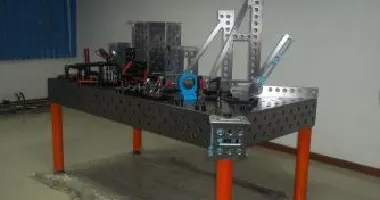
news and information
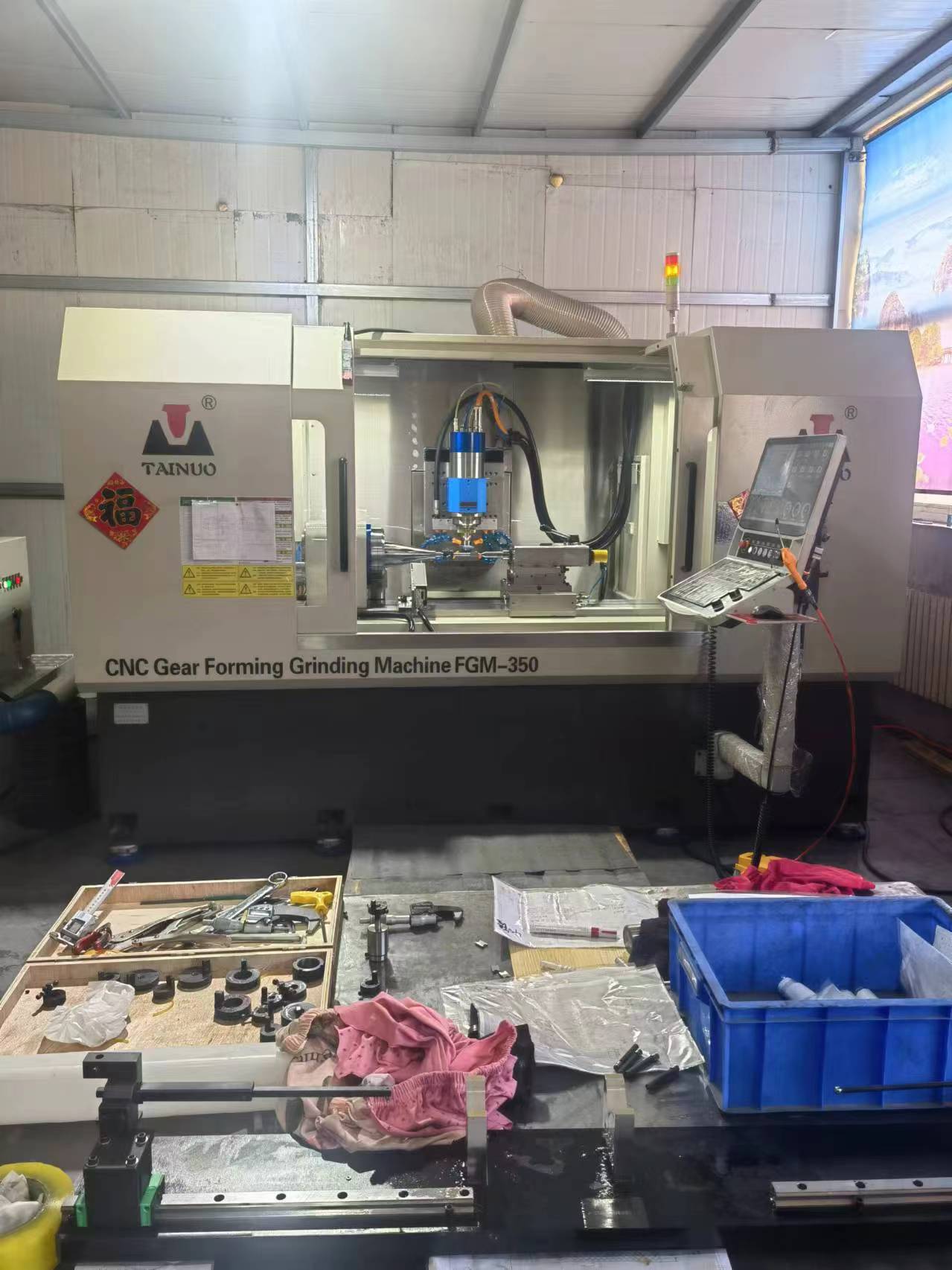
Valvola di ritegno da 4 pollici
La valvola di ritegno da 3 4 pollici è un componente essenziale nei sistemi idraulici e pneumatici.
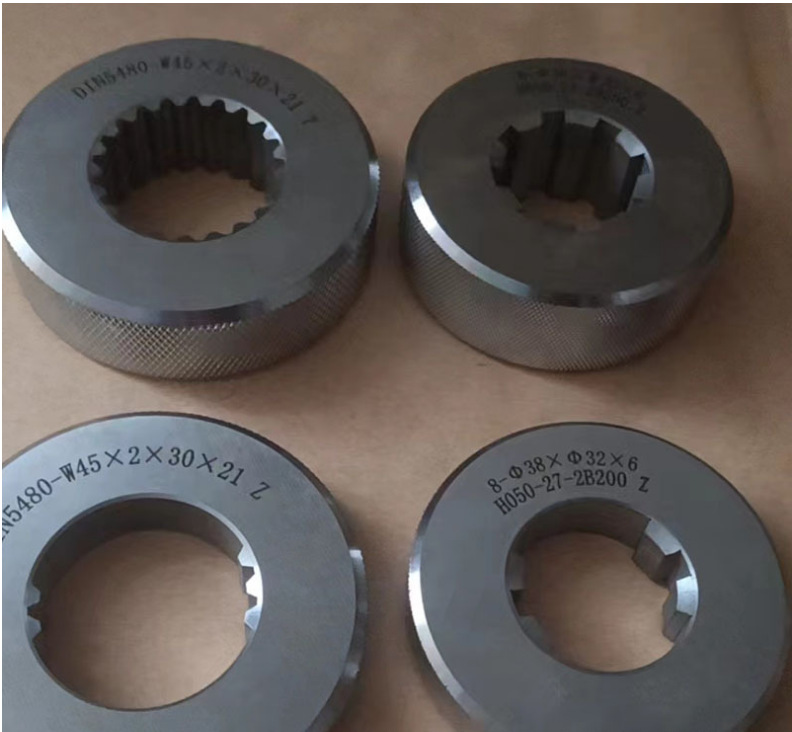
water valve replacement
Water Valve Replacement Ensuring Optimal Performance in Your Plumbing System Water valves play a cri
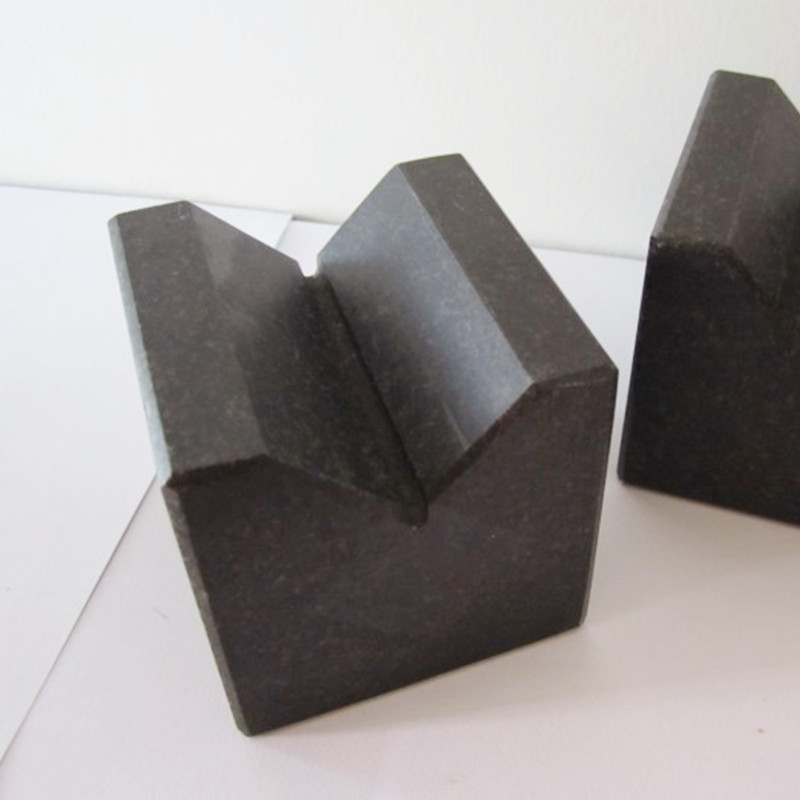
Versatile animal repellent device for effective pest control in various settings.
A multifunctional animal repeller is a device that is designed to keep unwanted animals away from yo
 English